
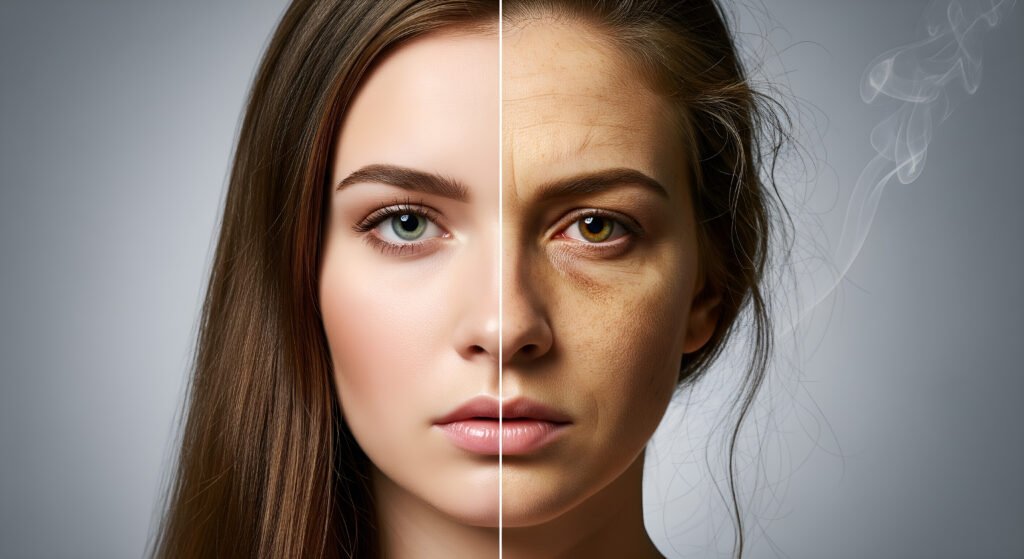
GHK Cu peptide, also written as GHK-Cu peptide and listed in cosmetics as copper tripeptide-1, is a copper-binding peptide used in topical skin and scal
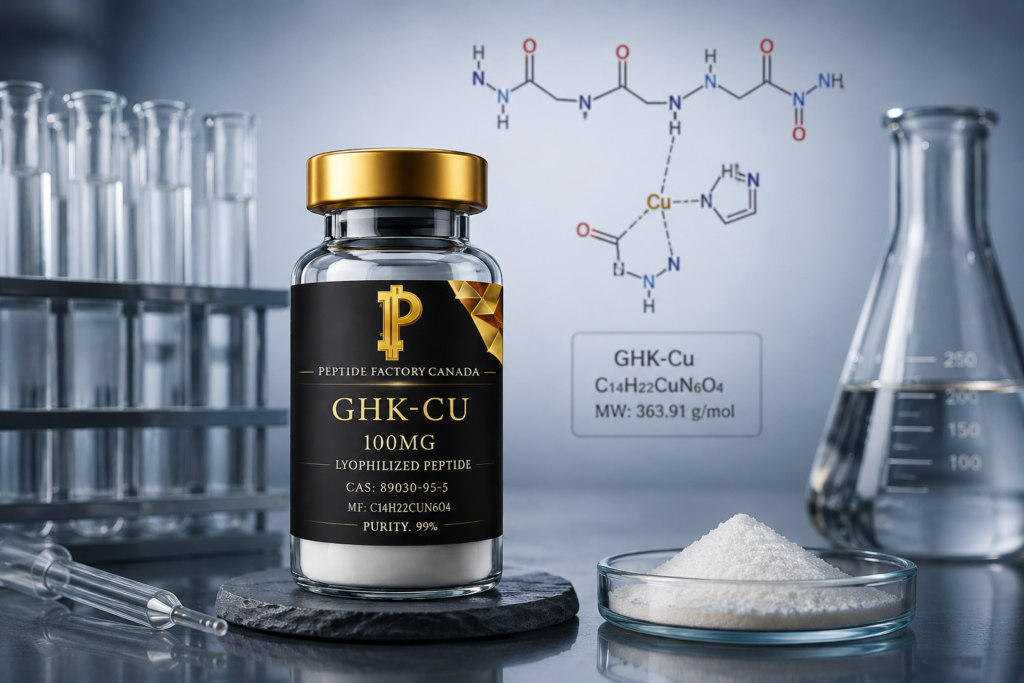
p formulas. For Canadian readers, this guide explains the cosmetic evidence, possible side effects, ingredient-label checks and the difference between topical skincare and research-use compounds.
GHK-Cu Peptide Canada: Quick Answer
GHK-Cu is studied for its potential role in skin remodelling and repair-related pathways, but the strength of evidence varies by claim. Much of the mechanistic literature is laboratory or preclinical, and a cosmetic ingredient should not be presented as a treatment for wounds, hair loss or disease. A peer-reviewed scientific review summarizes the biological research on GHK-Cu, while Health Canada’s cosmetics guidance explains how cosmetics are regulated in Canada.
- Primary Canadian search term: GHK Cu peptide.
- Ingredient-list name: Copper Tripeptide-1.
- Common cosmetic intent: skin texture, visible firmness, barrier-support routines and scalp-care formulas.
- Important distinction: topical cosmetics, authorized health products and laboratory research materials are not interchangeable.
What Is GHK-Cu Peptide (and Why Is It Called Copper Tripeptide-1)?
GHK-Cu stands for glycyl-L-histidyl-L-lysine copper. In many product ingredient lists, you’ll see it referred to as copper tripeptide-1.
At a high level, GHK-Cu is described as a signalling peptide because researchers study how it interacts with pathways involved in tissue remodelling and cellular responses. However, mechanistic findings do not automatically establish that a retail serum produces a clinical result. For scientific background, see the peer-reviewed review of GHK-Cu research.
When people talk about ghk-cu benefits or copper tripeptide-1 benefits, they’re usually referring to skin appearance goals like smoothing texture, reducing the look of fine lines, and supporting a stronger-looking barrier.
What Does Copper Peptide Do? The Big Picture
Let’s answer the common question directly: what does copper peptide do?
In skincare terms, copper peptides are mainly used to support:
- A more resilient-looking skin barrier
- Smoother, more even-looking texture
- The appearance of firmness and elasticity (often discussed in the context of collagen support)
- More comfortable-looking skin after stress (dryness, irritation, over-exfoliation)
It’s also used beyond skincare, which is why you may hear terms like peptide therapy a broad phrase people use when discussing peptides for different wellness or cosmetic goals. For this article, we’ll keep the focus on topical skincare and cosmetic hair/scalp use.
GHK-Cu Benefits for Skin: What People Use It For
You’ll see GHK-Cu peptide marketed in a few main lanes. Here’s what that typically looks like in real life.
1) Copper peptide for wrinkles and ‘bounce’
Many users reach for copper peptide for wrinkles because it’s often positioned as a supportive ingredient for the look of firmness and elasticity. In practical terms, the goal is skin that appears:
- Smoother
- Less crepey
- More ‘springy’ (especially around the eyes, mouth, and forehead)
This is why it sometimes gets described as a collagen stimulation peptide a phrase you’ll see in marketing to signal support for collagen-related pathways (even though individual results vary widely based on product formula, concentration, and consistency).
2) Skin barrier repair peptide support
If your skin gets easily irritated or you’ve overdone retinoids, acids, or harsh cleansers copper peptides are often used as a ‘recovery’ step. People commonly describe copper peptides as a skin barrier repair peptide option because they’re typically placed in formulas aimed at soothing and strengthening the look of compromised skin.
In a routine, it often sits nicely alongside:
- Ceramides
- Panthenol (B5)
- Glycerin
- Squalane
- Gentle moisturizers
3) Copper peptide for skin healing (cosmetic support)
You’ll also see the phrase copper peptide for skin healing used in cosmetic skincare contexts especially after dryness, redness from environmental stress, or the look of ‘overworked’ skin.
Some enthusiasts talk about a wound healing peptide mechanism when discussing GHK-Cu. Translation for normal routines: it’s used to support the appearance of healthier-looking skin over time especially when you’re consistent and not layering it with too many aggressive actives that keep the skin in a reactive cycle.
4) Copper peptide acne scars and texture
For marks left behind after breakouts, people sometimes explore copper peptide acne scars routines. Here, expectations matter: topical skincare can help improve the look of texture and uneven tone gradually, but deep scarring can require in-office options.
Where copper peptides may be most helpful cosmetically is in supporting a smoother overall surface and improving the look of ‘post-breakout skin,’ especially when combined with a barrier-first routine.
Copper Peptide for Hair Growth: What to Know Before You Buy
A growing number of scalp products advertise copper peptide for hair growth. Most people use it for:
- The look of a healthier scalp environment
- Hair that appears thicker or fuller over time
- Supporting the feel of stronger strands (when paired with gentle haircare)
A practical note: if you’re dealing with significant shedding, thinning, or scalp inflammation, it’s smart to treat copper peptides as an adjunct rather than the only solution. Scalp health is multifactorial stress, hormones, nutrition, styling habits, and medical causes can all be involved.
GHK-Cu Peptide in Canada: Why It’s Popular (and How to Use It Seasonally)
If you’re specifically researching GHK-Cu peptide Canada or copper peptide serum Canada, it’s helpful to connect the ingredient to the realities of Canadian routines: dry winter air, indoor heating, and high UV exposure during outdoor activities (including winter sun reflected off snow).
Canadian winter skin: barrier-first routines
Many Canadians reach for copper tripeptide-1 and other peptide skincare ingredients when skin feels tight, sensitized, or reactive. A simple winter-friendly approach is:
- Gentle cleanser
- Copper peptide serum (GHK-Cu / copper tripeptide-1)
- Barrier moisturizer (ceramides + glycerin)
- Daytime sunscreen
Summer routines in Canada
In warmer months, some people prefer lighter textures (gel serum, lighter moisturizer) while still keeping copper peptide for wrinkles and texture goals in the routine. Consistent sunscreen is still the main driver of visible aging prevention.
GHK-Cu Products in Canada: Cosmetic and Regulatory Checks
When evaluating a copper peptide serum in Canada, confirm the product category and intended use first. Cosmetics are meant to cleanse, improve or alter appearance; products making therapeutic claims may fall under different Canadian regulatory requirements. Check the ingredient list for Copper Tripeptide-1, review the manufacturer’s directions, patch test topical formulas and avoid sellers making unsupported medical claims.
Canada-specific label and seller checklist
- Look for a complete INCI ingredient list and clear Canadian contact information.
- Check bilingual labelling and directions where applicable.
- Confirm the package size, lot or batch details and expiry or period-after-opening information.
- Distinguish a finished cosmetic serum from a research peptide with analytical documentation.
- Read what peptides are and how safety is evaluated before comparing product claims.
- Use Health Canada’s Cosmetic Ingredient Hotlist as a regulatory reference—not as proof that a particular product is effective.
Where to Buy Copper Peptide Serum in Canada (and What to Check)
Searches like “where to buy copper peptide serum in Canada” or “best copper peptide serum Canada” tend to spike because availability can vary by province and retailer. Rather than chasing hype, use this checklist to shop smart.
Common places Canadians buy copper peptide serum
- Canadian beauty retailers and department stores (online or in-person)
- Pharmacies with skincare sections (in-store or e-commerce)
- Dermatology/medical spa skincare counters (cosmetic topical products)
- Canadian e-commerce that ships from within Canada (often faster delivery, easier returns)
- Cross-border orders (U.S./international) if you can’t find a specific formula locally
Canada-specific buying tips (practical, not hype)
- Look for the INCI name: “copper tripeptide-1” is the key ingredient listing to confirm.
- Check labeling: Products sold in Canada often include bilingual (English/French) labeling.
- Consider shipping conditions: Extreme cold or heat during shipping can affect texture; buy from sellers with clear shipping/return policies.
- Budget in CAD: When comparing prices, account for currency conversion plus shipping, duties, and taxes for cross-border purchases.
- Avoid medical claims: Topical skincare is cosmetic; if a seller implies it treats medical conditions, be cautious.
Copper Peptide Before and After: Setting Realistic Expectations
Search ‘copper peptide before and after‘ and you’ll see everything from subtle glow improvements to dramatic transformations. In reality, results tend to land in the middle.
A realistic timeline (for many people) often looks like:
- 1–2 weeks: improved comfort, hydration ‘feel,’ less tightness (especially if your barrier was stressed)
- 4–8 weeks: gradual texture refinement; skin may look more even and calmer
- 8–12+ weeks: more noticeable changes in firmness and fine line appearance (varies a lot)
Big swings in before/after photos can come from lighting, angles, makeup, recent procedures, or switching multiple products at once. The most reliable ‘before and after’ is the one you track yourself with consistent lighting and monthly photos.
How to Use Copper Peptide Serum (Without Overcomplicating It)
If you’re wondering how to use copper peptide serum, the main goals are consistency and compatibility.
Simple beginner routine (night)
- Gentle cleanser
- Copper peptide serum (thin layer)
- Moisturizer
That’s it. This is one of those ingredients that often performs better when the rest of your routine is calm and supportive.
Morning use?
Many people use copper peptides in the morning too. If you do:
- Cleanse (or rinse)
- Copper peptide serum
- Moisturizer
- Sunscreen
Sunscreen matters if your goal is smoother texture and fewer visible lines no ‘repair’ ingredient outperforms daily UV protection. This is especially relevant in Canada, where snow reflection can increase UV exposure during winter sports and outdoor activities.
How often?
- Start 2–3 nights per week
- Increase to every other night, then nightly if your skin does well
If you’re also using strong actives, you don’t have to stack everything on the same night. A calm alternating schedule often works best.
Copper Peptide vs Retinol: Which Should You Choose?
The copper peptide vs retinol debate usually comes down to your skin’s tolerance and your main priority.
Retinol (and retinoids) are often chosen for:
- Fine lines and wrinkles
- Acne and clogged pores
- Texture refinement
- Pigmentation support
Copper peptides are often chosen for:
- Supporting the look of skin resilience
- Barrier support and post-stress recovery
- A gentler-feeling approach to anti-aging
Practical takeaway: You don’t necessarily have to pick only one forever. Many people alternate: retinoid nights for long-term wrinkle/texture goals, copper peptide nights for recovery and barrier support.
If retinol frequently leaves you dry, flaky, or stinging, copper peptide nights can be a ‘bridge’ that helps you stay consistent without feeling like your face is in boot camp.
Copper Peptide vs Vitamin C: Can You Use Both?
The copper peptide vs vitamin C question is common because both are popular and both can be in the ‘anti-aging’ category.
Vitamin C is typically used for:
- Brightening
- Antioxidant support
- Helping with uneven tone
- Supporting collagen-related appearance goals
Copper peptides are often used for:
- Skin comfort and barrier support
- Texture and firmness appearance over time
- A more restorative routine feel
Using both in one routine
Some people prefer not to layer copper peptides directly with low-pH vitamin C (like L-ascorbic acid) at the same time. To keep things simple:
- Use vitamin C in the morning
- Use GHK-Cu peptide at night
This split routine is practical, easy to maintain, and helps you avoid ‘guessing games’ about layering.
Copper Peptide Side Effects: What to Watch For
Even gentle ingredients can cause issues depending on the formula and your skin. Copper peptide side effects that some users report include:
- Mild irritation or tingling
- Redness (especially if overused or layered with too many actives)
- Breakouts (often from the base formula oils, silicones, heavy humectants rather than the peptide itself)
- Temporary dryness if you skip moisturizer
How to reduce the risk
- Patch test for 2–3 days on a small area
- Start slowly (2–3x/week)
- Keep your routine simple for the first two weeks
- Don’t introduce copper peptides the same week you start a retinoid, acid, and a new cleanser
If you develop persistent burning, swelling, or rash, stop and consider checking with a dermatologist especially if you have known sensitivities.
Choosing the Best Copper Peptide Serum: A Practical Checklist
‘Best copper peptide serum‘ can mean different things depending on your skin type. Instead of chasing hype, look for clues that the formula will actually work for your routine.
What to look for
- Clear labeling: “copper tripeptide-1” or GHK-Cu peptide listed in the ingredients
- Barrier-friendly base: glycerin, panthenol, allantoin, ceramides, squalane
- Packaging that protects the formula: opaque or airless packaging can be a plus
- Minimal irritants: especially if you’re sensitive (watch strong fragrance, harsh alcohols)
Pick based on your skin type
- Oily/acne-prone: lighter gel serum, non-greasy finish
- Dry/sensitive: copper peptide serum + richer moisturizer on top (helpful during Canadian winter)
- Combination: serum all over, extra moisturizer where needed
Also, remember that a ‘better’ serum isn’t always the most expensive one it’s the one you can use consistently without irritation.
How to Build a Routine Around Copper Peptides (Examples)
Below are a few easy, real-world routine templates that incorporate peptide skincare without turning your bathroom into a chemistry set.
Routine A: Barrier-first (great for sensitive skin)
AM
- Gentle cleanser
- Moisturizer
- Sunscreen
PM
- Gentle cleanser
- GHK-Cu peptide serum
- Moisturizer
Routine B: Anti-aging alternating nights
AM
- Cleanser
- Vitamin C (if you use it)
- Moisturizer
- Sunscreen
PM (alternate)
- Night 1: Retinoid + moisturizer
- Night 2: Copper peptide serum + moisturizer
- Night 3: ‘Rest night’ hydrating routine (optional)
Routine C: Texture + marks (post-breakout support)
AM
- Cleanser
- Niacinamide (optional)
- Moisturizer
- Sunscreen
PM
- Cleanser
- Copper peptide serum
- Moisturizer
If you also use acids (AHA/BHA), consider using them on separate nights so your skin doesn’t feel constantly ‘processed.’ This can be especially helpful if you’re targeting copper peptide acne scars and want to avoid irritation that makes marks look worse.
Related Canadian Peptide Resources
- What are peptides, and are they safe?
- Peptides in Canada: authorization and sourcing checks
- Research peptides, purity testing and COAs
- Browse laboratory research products — for qualified research use only, not human or veterinary use.
FAQ: GHK-Cu Peptide in Canada
What is GHK Cu peptide?
GHK Cu peptide is a copper-binding tripeptide. In cosmetic ingredient lists it is commonly identified as Copper Tripeptide-1 and is used in some topical skin and scalp formulations.
What is GHK Cu peptide for?
In cosmetics, it is primarily included in formulas marketed for the appearance of skin texture, firmness and conditioning. These cosmetic uses should not be confused with proven treatment claims.
What are the side effects of GHK Cu peptide?
A topical formula may cause redness, irritation, itching or breakouts depending on the complete formulation and individual sensitivity. Patch testing is sensible, and persistent reactions warrant discontinuation and professional advice.
Is GHK-Cu approved by Health Canada?
Health Canada does not “approve” ordinary cosmetics in the same way it authorizes drugs. Companies must meet Canadian cosmetic requirements and notify Health Canada, while therapeutic claims or other product formats may trigger different regulatory rules.
Is copper tripeptide-1 the same as GHK-Cu?
In most skincare ingredient lists, copper tripeptide-1 is the common INCI name used for GHK-Cu.
What are the main GHK-Cu benefits in skincare?
The most discussed GHK-Cu benefits are smoother-looking texture, more resilient-looking skin, and support for the appearance of firmness over time.
Can I use copper peptides with retinol?
Many people prefer alternating nights (retinol one night, copper peptide the next) to keep irritation low while still working on long-term goals.
Can I use copper peptides with vitamin C?
To keep things simple, use vitamin C in the morning and copper peptides at night.
How do I use copper peptide serum in a Canadian winter routine?
Keep it simple: cleanser, copper peptide serum, barrier moisturizer, and daily sunscreen (yes, even in winter).
What should I search to find a copper peptide serum in Canada?
Try: copper peptide serum Canada, GHK-Cu peptide Canada, copper tripeptide-1 serum, and where to buy copper peptide serum in Canada.
What’s the best copper peptide serum in Canada?
Rather than one “best,” look for a formula you can use consistently: copper tripeptide-1 on the ingredient list, minimal irritants, and a base that matches your skin type.
Can copper peptide serum cause breakouts?
Some people break out due to the base formula (oils, heavy silicones, rich humectants) rather than the peptide itself—patch testing helps.
Is peptide therapy the same as peptide skincare?
No. Peptide therapy often refers to medical/wellness uses (commonly injectable) and should be discussed with licensed professionals. This article focuses on topical cosmetic skincare.
How long does it take to see copper peptide before and after changes?
Many people notice comfort and hydration first (1–2 weeks), then gradual texture changes (4–8 weeks), with more noticeable firmness improvements later (8–12+ weeks).
The Takeaway: Is Copper Peptide Worth Trying?
If you want a routine that leans supportive rather than aggressive, GHK-Cu peptide (aka copper tripeptide-1) is a strong option to explore. The most talked-about ghk-cu benefits revolve around smoother-looking skin, a more resilient barrier, and gradual improvements in texture and firmness. It can also be a helpful add-on if you’re exploring scalp care and copper peptide for hair growth.
The key is using it consistently, keeping your routine simple, and being realistic about the copper peptide before and after timeline. Whether you’re comparing copper peptide vs retinol or copper peptide vs vitamin C, many people find copper peptides fit best as the ‘recovery and support’ player in a routine especially when skin needs calming, strengthening, and steady progress.
